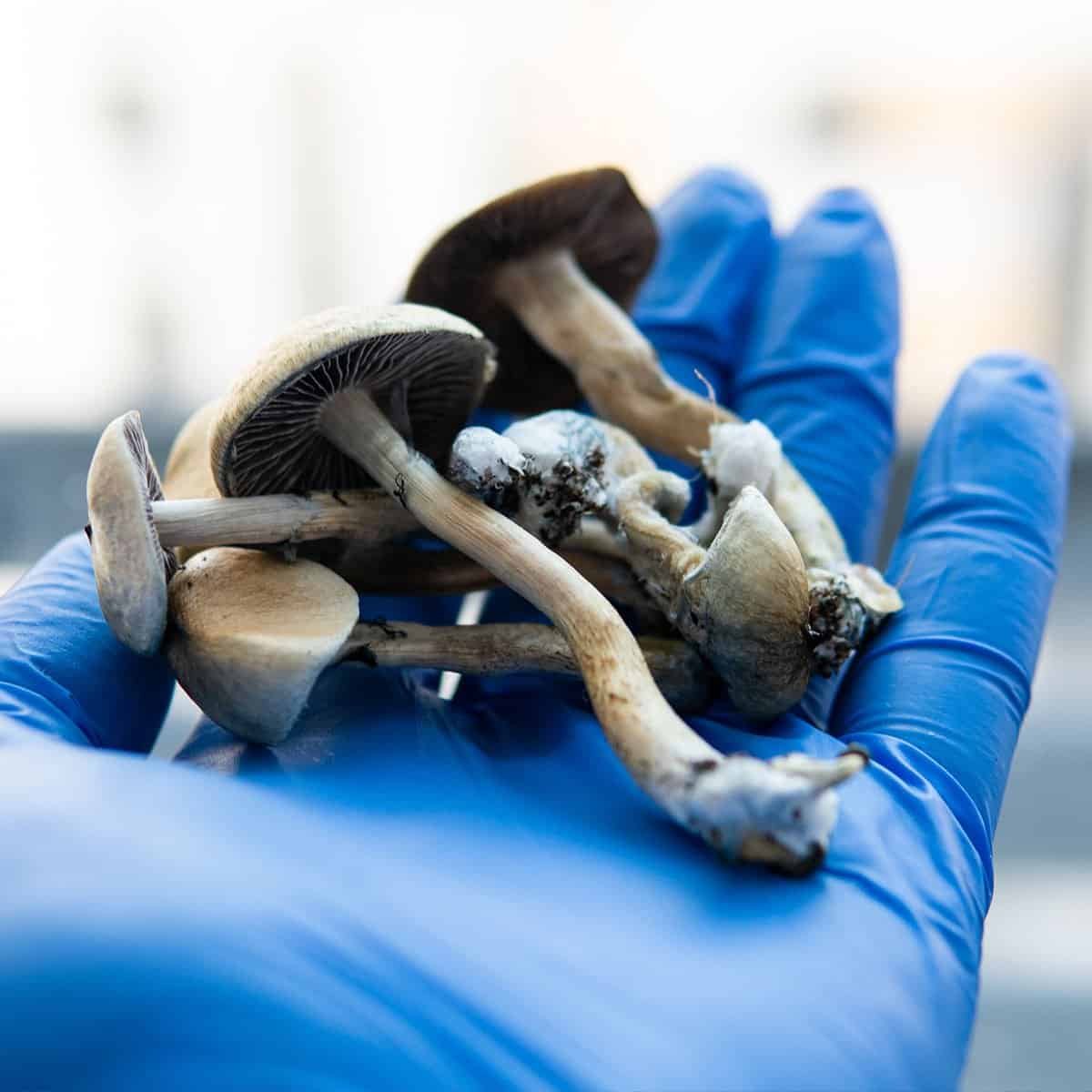
In recent years, psilocybin has re-emerged as a serious area of interest in mental health research. Once sidelined due to restrictive drug policies, psilocybin is now being studied in controlled therapeutic settings for its potential to support treatment-resistant conditions. Rather than casual use, modern therapy focuses on structure, preparation, and professional guidance.
What psilocybin therapy involves
Psilocybin therapy uses the psychoactive compound found in magic mushrooms as part of a guided psychological process. Sessions are conducted in carefully designed environments with trained facilitators who support the individual before, during, and after the experience.
The goal is not continuous use but rather one or a small number of supervised sessions combined with integration therapy. This distinguishes clinical approaches from recreational or unsupervised use.
Conditions currently studied
Depression and treatment resistance
One of the strongest areas of research focuses on major depressive disorder, particularly cases that have not responded to conventional antidepressants. Clinical studies suggest that psilocybin-assisted therapy may help disrupt rigid negative thought patterns and create a window for emotional flexibility.
Patients often report shifts in perspective that persist well beyond the acute effects of the session, especially when supported by follow-up therapy.
Anxiety related to serious illness
Psilocybin has also been studied in individuals facing life-threatening diagnoses. In these settings, therapy aims to reduce existential anxiety and emotional distress rather than eliminate symptoms entirely.
Participants frequently describe increased acceptance, reduced fear, and improved quality of life following guided sessions.
PTSD and addiction research
Emerging research explores psilocybin’s role in addressing trauma and substance dependence. Rather than suppressing symptoms, therapy focuses on allowing individuals to process difficult experiences in a supportive environment.
This approach differs from daily medication models and instead emphasizes insight, emotional processing, and long-term behavioral change.
The structure of a therapy session
Although protocols vary, most psilocybin-assisted therapy follows a similar structure designed to maximize safety and therapeutic value.
Preparation
Before any dosing occurs, individuals meet with therapists to discuss medical history, mental health background, intentions, and expectations. This phase is critical for establishing trust and reducing anxiety.
Guided session
Psilocybin is administered in a calm, controlled setting. The environment often includes comfortable seating, soft lighting, and music. Participants are encouraged to focus inward while therapists remain present to provide reassurance if needed.
Integration
After the session, follow-up meetings help individuals make sense of their experience and apply insights to daily life. Integration is considered just as important as the session itself.
Safety and screening
Psilocybin therapy is not appropriate for everyone. Clinical programs carefully screen participants, excluding individuals with a history of psychosis or certain psychiatric conditions.
When conducted responsibly, adverse effects are usually short-lived and managed within the therapeutic setting. This controlled approach is very different from unsupervised experimentation.
Modern formats and public interest
Outside of clinical research, public interest has grown around alternative formats such as psilocybin chocolate or precisely measured microdose capsules. While these are often discussed in educational contexts, they are not substitutes for clinical therapy.
Conversations around responsible use and harm reduction are particularly active in cities such as Toronto and Vancouver, where public awareness of psychedelic research continues to grow.
Conclusion
Magic mushrooms are no longer viewed solely through a cultural or recreational lens. In therapeutic contexts, psilocybin is being studied as a structured tool that may help individuals process depression, anxiety, trauma, and addiction in ways that traditional treatments have struggled to address.
While access remains limited and highly regulated, ongoing research continues to refine best practices. As evidence grows, psilocybin-assisted therapy may become a recognized option within mainstream mental health care.
FAQs
What does a psilocybin therapy session feel like?
Experiences vary, but sessions often involve emotional insight, altered perception, and introspection within a guided, supportive environment.
How long do the therapeutic effects last?
Some individuals report benefits lasting weeks or months, particularly when integration therapy is part of the process.
Is psilocybin therapy safe?
When conducted in screened, clinical settings, it is generally considered low risk. Unsupervised use carries greater uncertainty.
Is psilocybin addictive?
Psilocybin is not considered physically addictive and does not produce the same dependency patterns as many other substances.
How can people access psilocybin therapy legally?
Access is currently limited to approved clinical trials or special medical exemptions, depending on jurisdiction.
 Discreet shipping across Canada
 Same-day GTA delivery · free over $129
 Rated 4.8+ out of 5 by our customers
 Free gift on every $60+ order