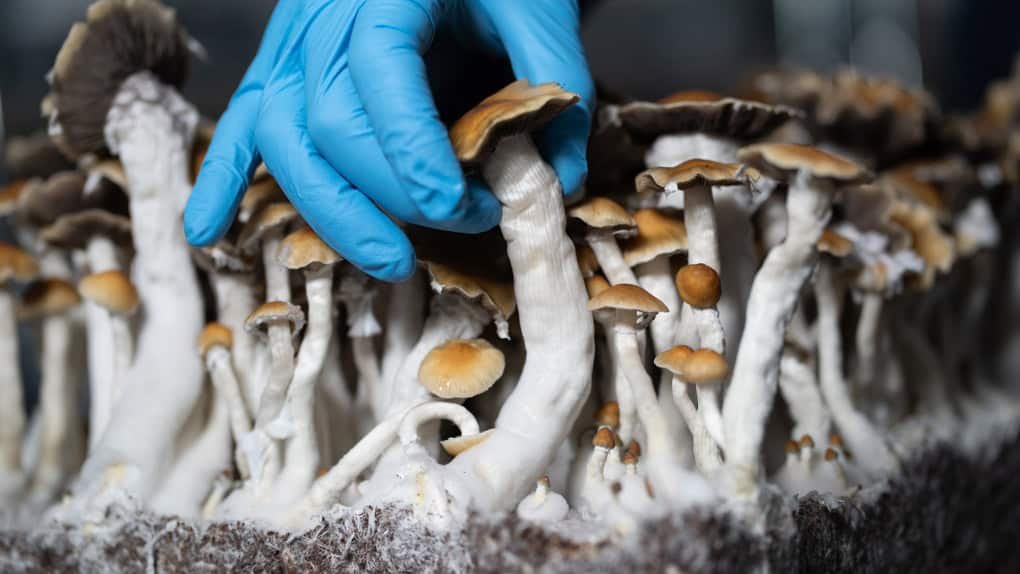
Magic mushrooms have fascinated cultures around the world for centuries. Today, psilocybin mushrooms continue to spark curiosity for their spiritual, therapeutic, and mind-altering properties. Whether you are new to psilocybin or deep into the research, these facts help explain how shrooms work and why interest continues to grow.
What Are Shrooms?
Shrooms, also known as magic mushrooms, are a group of fungi that naturally contain the psychoactive compound psilocybin. Unlike culinary mushrooms, these species interact with serotonin receptors in the brain, producing changes in perception, mood, and cognition. Over 200 known mushroom varieties contain psilocybin, though only a fraction are commonly used.
What’s the History of Shrooms?
Indigenous cultures across the Americas and parts of Europe have used psychedelic mushrooms for ceremonial, spiritual, and healing purposes for thousands of years. Modern awareness increased in the mid-20th century when researchers began documenting their effects and therapeutic potential. Early clinical interest explored psilocybin’s possible role in treating depression, addiction, trauma, and obsessive thought patterns. Although research slowed for decades, modern studies have revived serious scientific interest.
Are Shrooms Addictive?
Psilocybin is not considered chemically addictive. Tolerance builds rapidly, meaning repeated use over short periods significantly reduces effects. This natural tolerance makes compulsive use unlikely. Additionally, many users describe the experience as emotionally intense, which discourages frequent or casual repetition.
How Do Shrooms Feel?
Effects usually begin within 30–45 minutes and last around four to six hours. The experience varies widely depending on dose, mindset, environment, and prior experience.
Mental and Emotional Effects
Heightened introspection and emotional awareness
Enhanced creativity and pattern recognition
Euphoria or laughter
Spiritual or reflective sensations
Visual or auditory distortions at higher doses
Physical Effects
Light-headedness
Elevated heart rate
Mild nausea
Temperature sensitivity
Dilated pupils
How Dangerous Are Shrooms Compared to Other Drugs?
Psilocybin has very low physical toxicity and is widely considered one of the safer psychoactive substances when used responsibly. Most reported risks involve unsafe environments, poor preparation, or emotional distress rather than physical harm. Maintaining a calm mindset and a safe setting significantly reduces negative experiences.
What Substances Should Not Be Mixed With Psilocybin?
Certain combinations increase risk and should be avoided:
SSRIs, MAOIs, or lithium – May cause serotonin-related complications
Alcohol – Increases dehydration and emotional instability
Stimulants – Can raise heart rate and anxiety
Are There Long-Term Negative Effects?
Psilocybin is not associated with long-term physical damage. Some users may experience temporary anxiety or emotional intensity during the experience. Individuals with a history of psychosis or schizophrenia should avoid psychedelics, as symptoms may worsen. Persistent visual disturbances are rare and typically mild when they occur.
The Bottom Line
Magic mushrooms are far more than a recreational substance. They have deep cultural roots, low addiction potential, and growing scientific interest for therapeutic applications. Understanding the facts allows for safer, more respectful exploration. Those researching availability often browse dried magic mushrooms or alternative formats like psilocybin edibles depending on preference. Discreet same-day delivery is available in North York, Scarborough, and Etobicoke, supporting convenient access across the GTA.
 Discreet shipping across Canada
 Same-day GTA delivery · free over $129
 Rated 4.8+ out of 5 by our customers
 Free gift on every $60+ order