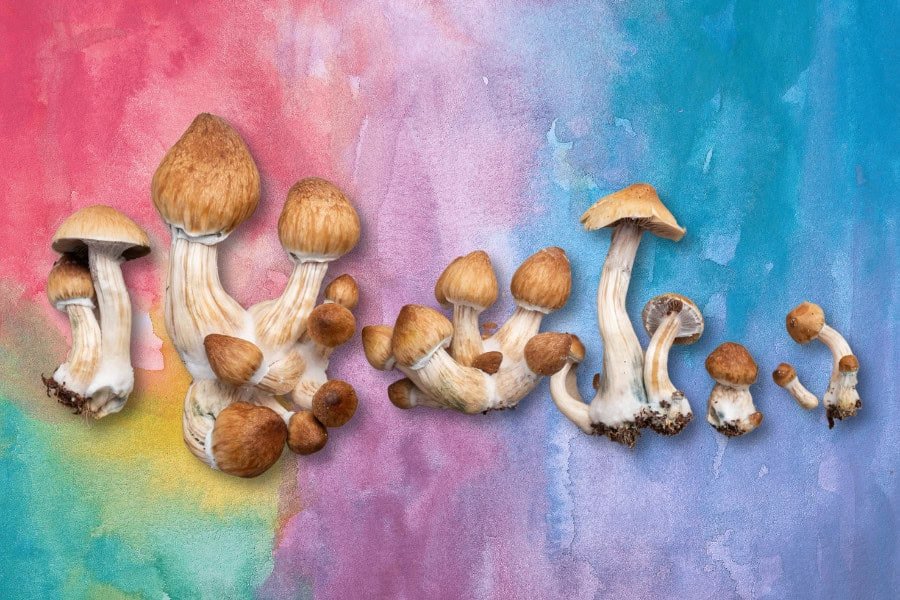
Microdosing psilocybin mushrooms has attracted growing interest as a way to support focus, creativity, and emotional balance without producing strong psychedelic effects. While dosage matters most, the variety of mushroom used can influence how predictable and gentle the experience feels, which is why certain varieties are more commonly discussed in microdosing contexts.
Mushroom strain vs variety
The word “strain” is widely used when talking about psilocybin mushrooms, but it is not entirely accurate from a biological standpoint. Mushrooms reproduce through spores, creating genetic variation each time they grow. Because of this, the term “variety” is more precise.
Most discussions around microdosing focus on varieties within the Psilocybe cubensis species. These varieties share broad characteristics while still displaying subtle differences in growth patterns, potency ranges, and experiential tone.
Varieties commonly discussed for microdosing
Golden Teacher
Golden Teacher is one of the most widely recognized Psilocybe cubensis varieties. It is often associated with steady, balanced effects and moderate potency, which makes it easier to work with at very low doses. These qualities are why it frequently appears in conversations around beginner-friendly microdosing.
B+
B+ is known for its reliability and moderate strength. Because it tends to produce consistent results across batches, many people find it easier to fine-tune microdose amounts when using this variety.
Mazatapec
Mazatapec has historical roots in Mexico and is commonly described as gentle and reflective. Its average potency compared to other cubensis varieties makes it suitable for subtle daily dosing rather than perceptual experiences.
Mexican varieties
Mexican cubensis varieties are often described as clear-headed and uplifting. Their lower perceived intensity makes them a frequent choice for individuals interested in mood support and cognitive clarity rather than introspection.
Cambodian
Cambodian mushrooms are typically discussed as having below-average potency. This makes them appealing for microdosing routines where predictability and minimal intensity are priorities.
Jedi Mind Fuck
Despite the name, this variety is not known for extreme strength. Its relatively moderate potency places it within the range often considered manageable for low-dose experimentation.
Hillbilly
Hillbilly mushrooms are commonly mentioned in microdosing discussions due to their low-to-moderate potency and consistent effects. They are often referenced as a practical option for maintaining subtle daily doses.
Finding an appropriate microdose
Regardless of variety, dosage plays a larger role than genetics in determining outcomes. A common microdose range is between 0.1 and 0.3 grams of dried mushrooms. The goal is not to feel intoxicated, but to notice gentle shifts in mood, focus, or creativity.
Some people choose to work with dried magic mushrooms, while others prefer more measured formats that remove the need for daily weighing.
Simplifying consistency
Maintaining consistency can be challenging when measuring raw material. For this reason, many people explore pre-measured options such as microdose capsules, which are often discussed in harm-reduction and educational settings.
Edible formats like shroom gummies or psilocybin chocolate are also mentioned as ways to support consistency, though individual response still varies.
Regional conversations around microdosing
Interest in microdosing continues to grow in urban areas where wellness and research discussions are more common. Cities such as Toronto and Vancouver often host broader conversations focused on intention, consistency, and responsible use rather than potency.
Conclusion
While no single mushroom variety is objectively “best” for microdosing, those with moderate or lower potency tend to be easier to work with at very small amounts. Consistency, dosage, and personal sensitivity ultimately matter more than the name of the variety.
Approaching microdosing slowly, paying attention to subtle changes, and prioritizing routine over intensity helps create a more sustainable and intentional experience.
 Discreet shipping across Canada
 Same-day GTA delivery · free over $129
 Rated 4.8+ out of 5 by our customers
 Free gift on every $60+ order